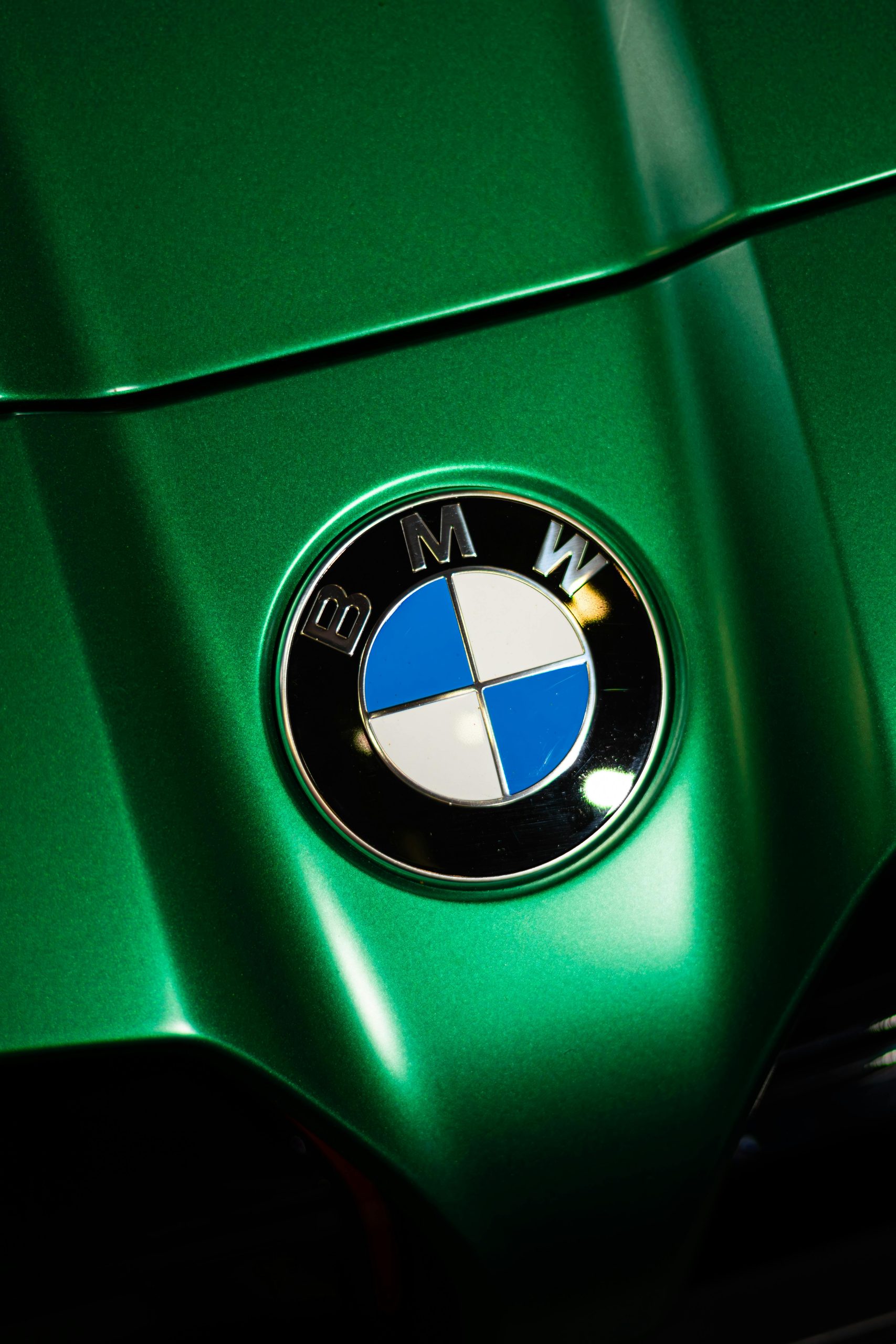
BMW (Bayerische Motoren Werke) was founded in 1916 in Munich, Germany. The company originally focused on manufacturing aircraft engines during World War I, which is reflected in its iconic blue-and-white logo inspired by the Bavarian flag and a spinning propeller.
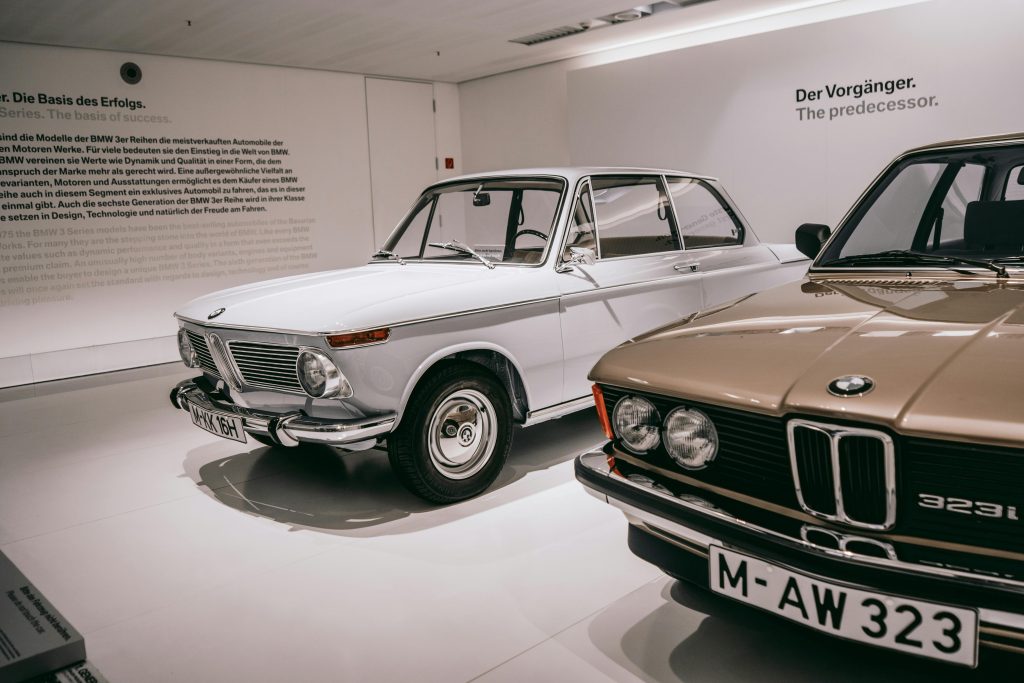
After the war, restrictions on aircraft production forced BMW to shift its focus. In the 1920s, the company began producing motorcycles and later expanded into automobiles. BMW’s first car, the BMW 3/15, was introduced in 1928 after the company acquired Fahrzeugfabrik Eisenach, a German car manufacturer.

During the mid-20th century, BMW faced financial difficulties but managed to recover by focusing on innovation, performance engineering, and luxury design. The launch of the BMW 1500 in 1961 marked the beginning of the “New Class” era, which established BMW’s reputation for sporty, driver-focused sedans.
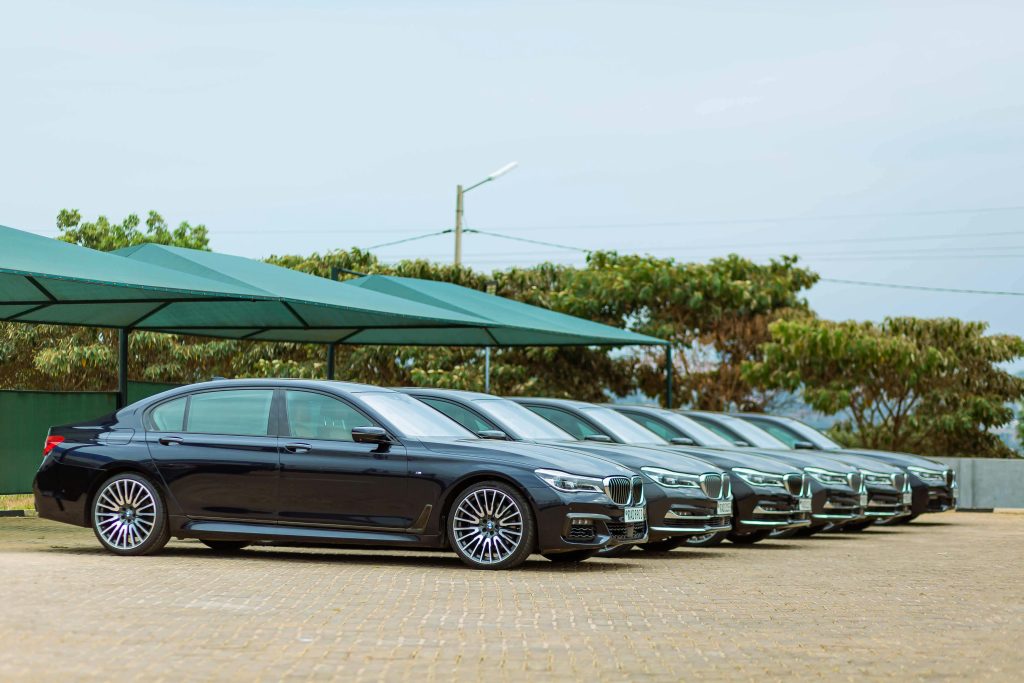
In the decades that followed, BMW expanded globally and became known for combining performance with luxury. Iconic models such as the 3 Series, 5 Series, and 7 Series helped solidify its position as a leader in the premium automotive market.
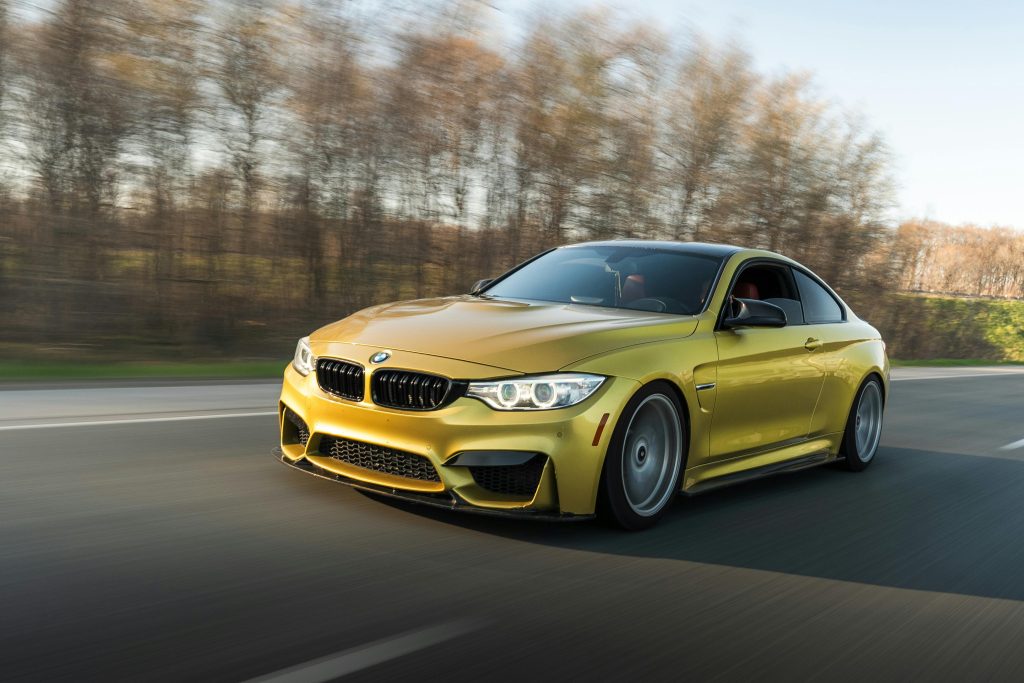
Today, BMW continues to innovate with electric mobility through its BMW i Series and advanced technologies focused on sustainability, digitalization, and autonomous driving.

BMW’s legacy is built on precision engineering, performance, and a strong commitment to driving pleasure—captured in its famous slogan: “The Ultimate Driving Machine.”